Fall Yard Cleanup: The Tools Worth Having Before the Leaves Drop
Rakes, pruners, leaf haulers and the end-of-season tool care that keeps everything ready for spring.
Heads up: this guide may contain links that earn us a commission or other compensation if you make a purchase, at no extra cost to you. We describe product types, not specific brands. Read our disclosure.
Fall is the season when yards ask for a little extra attention. Leaves pile up, perennials fade, and shrubs get their last trim before winter. A bit of planning and the right tools can turn cleanup from an exhausting all-day project into a few satisfying afternoons outside. Here is what is worth having, and what to look for when you buy.
Make a simple plan first
Walk the yard and make a quick list: where leaves collect, which beds need cutting back, which shrubs need shaping, and where you might want to plant spring bulbs. Many gardeners leave some leaves in garden beds as natural mulch and habitat for beneficial insects, and only clear them from lawns, paths and drains. Deciding this up front tells you which tools you really need.
Rakes: one size does not fit all
A classic wide leaf rake with flexible tines is the workhorse for lawns. Look for:
- Handle length that suits your height. Too short and you will be hunched over. A cushioned grip helps on long afternoons.
- Tine material. Flexible poly tines are light and gentle on grass; spring steel tines are more durable and better for wet, heavy leaves.
- Adjustable width. Some rakes expand for open lawns and narrow for beds and corners.
A small shrub rake gets leaves out from under bushes and between plants without damaging stems.
Moving leaves without the back strain
Raking is only half the job; getting leaves to the compost pile or curb is the other half. A large tarp with handles lets you rake leaves onto it and drag the whole pile in one trip. Handheld leaf scoops (two oversized plastic "hands") make picking up piles faster. Collapsible pop-up bags stand open on their own, so you are not wrestling with a floppy bag. Check local rules, since many towns require paper yard waste bags or offer seasonal leaf pickup.
Blowers and leaf vacuums
For bigger yards, a leaf blower can be a time-saver. Battery models have become popular because they are quieter, lighter and need less maintenance than gas models. Corded electric models are light and inexpensive but limit your range. When comparing, consider:
- Weight and balance, especially if you will use it for longer stretches.
- Battery runtime and whether the battery fits other tools you own.
- Variable speed, which helps around garden beds and gravel.
- Noise level. Some neighborhoods restrict blower hours, so check local rules.
Some models switch to a vacuum and mulch leaves into a bag, shrinking the pile so it is easier to compost.
Pruning tools: sharp and clean
Fall is a good time to remove dead or damaged branches, though timing for heavier pruning depends on the plant. Spring-flowering shrubs, for example, may already have next year's buds, so check before you cut.
Bypass vs. anvil pruners
Bypass pruners work like scissors, with two blades sliding past each other, giving clean cuts on living stems. Anvil pruners press a blade onto a flat surface and are better for dead, dry wood. If you buy just one pair, most gardeners choose bypass.
Loppers and saws
Loppers have long handles for thicker branches. Ratcheting models multiply your cutting power in steps, which is easier on hands and wrists. For branches thicker than the loppers can handle, a folding pruning saw is compact and safe to store.
Whatever you choose, keep blades clean and sharp. Clean cuts heal better, and wiping blades between plants helps reduce the spread of plant disease.
Gloves, kneelers and comfort
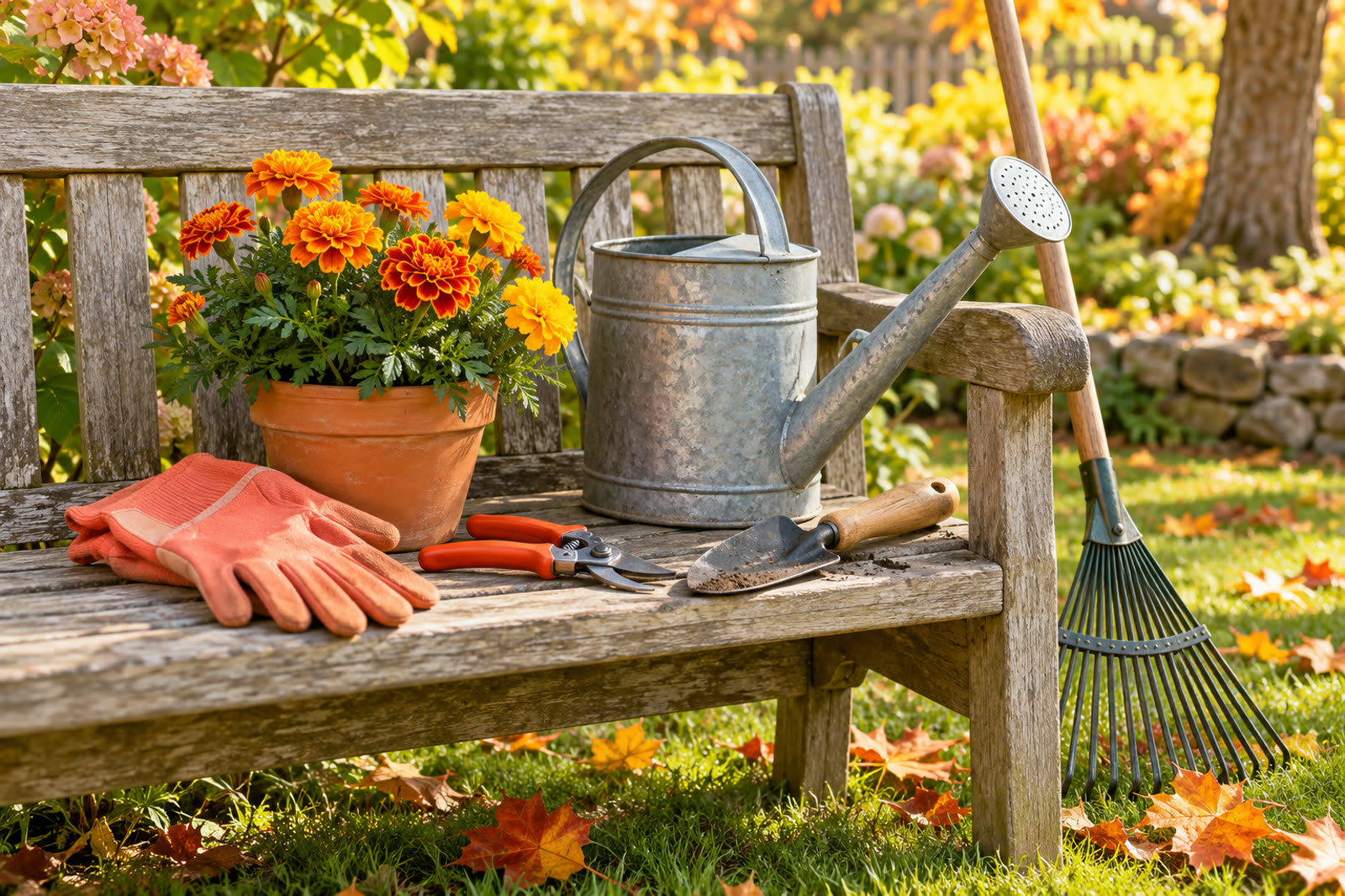
Good gloves are the most underrated garden tool. Look for a snug fit, breathable backs, and reinforced fingertips. Waterproof options help with wet leaves. A padded kneeler, or a kneeler that flips into a low seat, saves your knees during bed cleanup and bulb planting.
Put tools to bed for winter
A little end-of-season care adds years to your tools:
- Knock off soil and scrub metal parts with a stiff wire brush.
- Dry everything completely to prevent rust.
- Wipe metal with a light coat of oil.
- Sand rough wooden handles and rub in a little linseed oil.
- Drain and coil hoses, and store them out of freezing weather.
- Follow the manual for storing batteries and fuel-powered equipment.
Hang tools on a wall rack or pegboard so they stay dry and easy to find in spring.
Product features, availability and safety guidance can change, so always check the seller's details and the manufacturer's instructions before you buy or use any product. Experiences vary from person to person. Learn how we choose our picks.